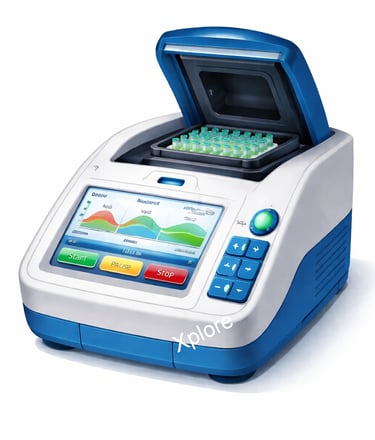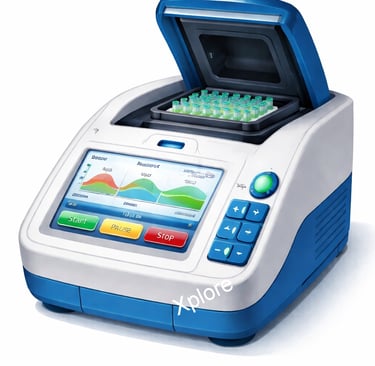
Polymerase Chain Reaction (PCR)
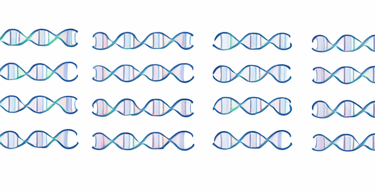
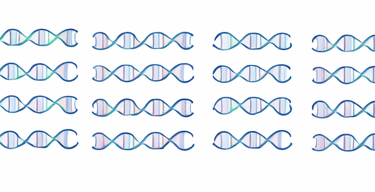
Polymerase Chain Reaction (PCR) is a widely used molecular biology technique that allows the amplification of a specific segment of DNA. It is a simple but powerful technique. Even a tiny amount of DNA can be copied into millions of copies, making it easier to study and analyze.
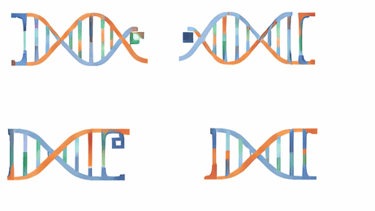
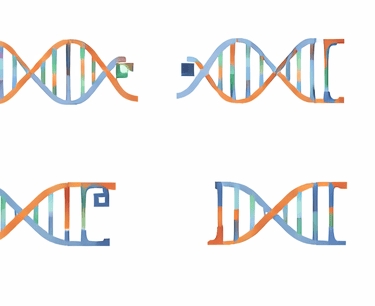
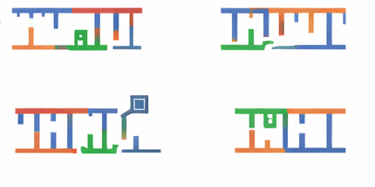
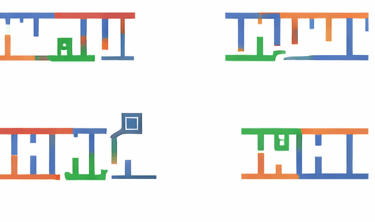
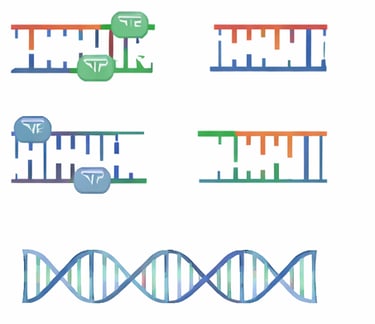
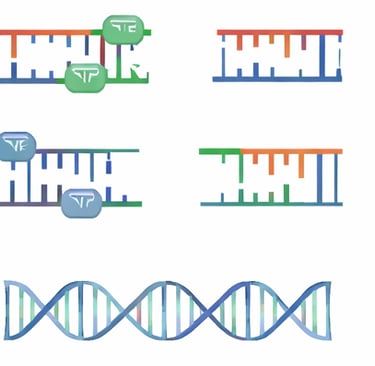
PCR works through repeated temperature cycles, where each cycle has three key steps:
👉Denaturation (~95°C): DNA strands separate.
👉Annealing (~50–60°C): Primers bind to specific target regions.
👉Extension (~72°C): A heat-stable DNA polymerase builds new DNA strands.
🔹With each cycle, the amount of DNA increases exponentially.
How does it work?
Why is PCR important?
PCR is a core tool in modern biology and is used in many fields:
👉Disease detection and diagnostics:
Used to detect infections like viral or bacterial diseases, identify genetic mutations, and even in cancer research(e.g., detecting specific oncogenes).
👉Molecular biology & genetic research:
Helps in studying gene expression, cloning genes, analyzing mutations, and preparing DNA for sequencing or further experiments.
👉Forensic science:
Used in DNA fingerprinting to identify individuals from very small biological samples like blood, hair, or saliva.
👉Biotechnology:
Plays a role in developing genetically modified organisms (GMOs), producing recombinant proteins (like insulin), and gene editing workflows.
👉Drug development & medical research:
Helps researchers understand disease mechanisms, validate drug targets, and monitor treatment responses.
Denaturation
Annealing
Extension
Amplified DNA