PCR
Dive into the essentials of PCR with clear steps, tips to avoid common errors, and insights to boost your confidence in the lab.
5/8/20242 min read


PCR
🧬 Polymerase Chain Reaction (PCR)
PCR is one of the most powerful and widely used techniques in molecular biology, allowing scientists to amplify a specific segment of DNA millions of times within a few hours. Whether you're detecting a gene, cloning DNA, or analyzing genetic material, PCR forms the backbone of modern biological research.
At its core, PCR works by mimicking natural DNA replication in a controlled, cyclic process. Through repeated heating and cooling cycles, the DNA is denatured, primers bind to target sequences, and a DNA polymerase enzyme extends new strands—resulting in exponential amplification.
How It Works?
PCR is based on the natural process of DNA replication but is carried out artificially in a machine called a thermal cycler. Instead of happening continuously, the process is divided into repeated temperature-controlled steps.
👉 Each cycle of PCR consists of three key steps, and with every cycle, the amount of DNA doubles—leading to exponential amplification.
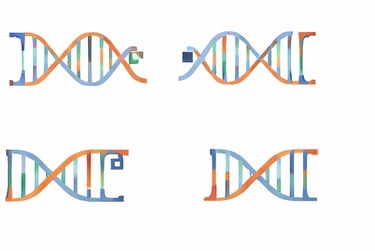
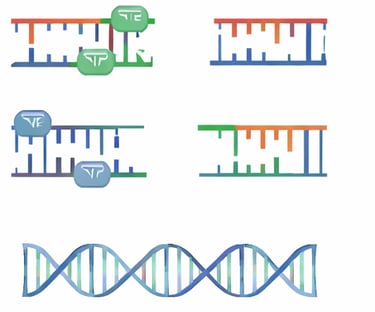
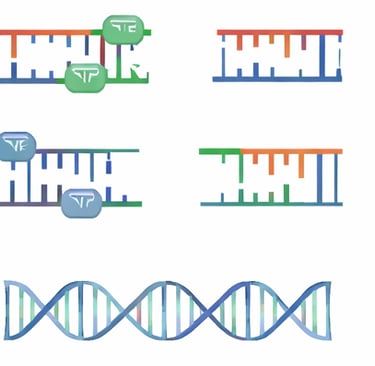
Denaturation (≈95°C): Double-stranded DNA separates into single strands
Annealing (≈50–65°C): Primers bind to their complementary sequences
Extension (≈72°C): DNA polymerase synthesizes new DNA strands
👉 These steps repeat for 25–35 cycles, doubling the DNA each time.
Denaturation
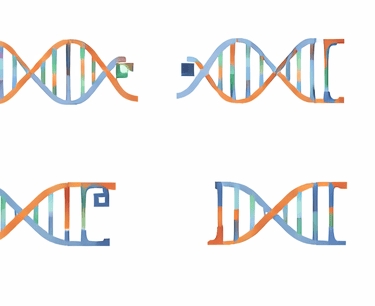
Annealing
Extension